Wrist Watch Guide: A Comprehensive Overview (Updated 02/03/2026)
Watches offer a fascinating hobby, starting with understanding different types. This guide explores wrist watches, categorized by movement, functionality, and style, aiding your selection process.
I. Understanding Watch Movements
The heart of any watch lies in its movement, dictating its accuracy and functionality. Historically, watches relied on intricate mechanical systems, showcasing the art of traditional watchmaking. These mechanical watches require manual winding to store energy, powering the hands through a series of gears and springs – a testament to precision engineering.
Building upon this foundation, automatic watches emerged, offering self-winding convenience. Utilizing the motion of the wearer’s wrist, a rotor spins, automatically winding the mainspring, eliminating the need for manual intervention. This innovation blended tradition with practicality.
However, a significant leap forward came with the introduction of quartz watches. Employing a battery to generate an electric current, these watches stimulate a quartz crystal, creating precise vibrations that drive the timekeeping mechanism. Quartz movements are renowned for their accuracy and require minimal maintenance, appealing to those prioritizing reliability and convenience over traditional craftsmanship. This revolutionary technology changed the landscape of wrist watches.
A. Mechanical Watches: The Art of Tradition
Mechanical watches represent the pinnacle of horological artistry, embodying centuries of craftsmanship and intricate engineering. Unlike their modern counterparts, these timepieces operate without batteries or electronic components, relying entirely on the power of a mainspring. This spring, meticulously wound either manually or by the wearer’s motion in automatic versions, releases energy gradually, driving a complex system of gears, levers, and balance wheels.
The beauty of a mechanical watch lies not only in its timekeeping ability but also in the visible complexity of its inner workings. Skilled watchmakers painstakingly assemble hundreds of tiny components, each playing a crucial role in the watch’s operation. This dedication to detail and precision results in a timepiece that is both functional and aesthetically captivating.
Owning a mechanical watch is an appreciation for tradition, a connection to the history of timekeeping, and a statement of enduring style. They require regular servicing to maintain their accuracy and longevity, fostering a unique relationship between owner and timepiece.
B. Automatic Watches: Self-Winding Convenience
Automatic watches bridge the gap between traditional mechanical timekeeping and modern convenience. They function similarly to mechanical watches, powered by a mainspring, but incorporate a rotor – a weighted metal component that spins with the wearer’s natural wrist movements. This rotation automatically winds the mainspring, eliminating the need for manual winding, provided the watch is worn regularly.
The ingenious design of the automatic movement offers a seamless experience. As long as the watch is worn for a sufficient period each day, it remains powered and accurate. This self-winding capability makes automatic watches a practical choice for those who appreciate mechanical complexity but prefer a hassle-free experience.
Like their fully mechanical counterparts, automatic watches showcase intricate craftsmanship and often feature visible movements through exhibition case backs. They represent a harmonious blend of artistry and functionality, offering a reliable and stylish timekeeping solution for the modern enthusiast.
C. Quartz Watches: Precision and Low Maintenance
Quartz watches revolutionized the industry with their unparalleled accuracy and minimal maintenance requirements. Unlike mechanical or automatic movements, quartz watches utilize a battery to power an electric current. This current stimulates a quartz crystal, causing it to vibrate at a precise frequency – typically 32,768 times per second.
These consistent vibrations are then used to drive the watch’s mechanism, ensuring highly accurate timekeeping. A significant advantage of quartz watches is their reliability; they are less susceptible to temperature changes and impacts compared to mechanical movements. This makes them ideal for everyday wear and for individuals prioritizing accuracy.
Furthermore, quartz watches require significantly less maintenance. Replacing the battery every few years is typically the only upkeep needed, a stark contrast to the periodic servicing required by mechanical counterparts. This combination of precision, durability, and low maintenance makes quartz watches a popular and practical choice.
II. Key Watch Functionalities
Beyond simply telling time, many watches boast specialized functionalities catering to specific needs and lifestyles. Divers watches, for instance, are engineered for underwater exploration, featuring robust water resistance – a minimum of 100 meters (330 feet) – and enhanced durability to withstand the pressures of the deep. These are built to be reliable companions for aquatic adventures.
For those who frequently navigate multiple time zones, GMT watches prove invaluable. They display two or more time zones simultaneously, allowing wearers to easily track time in different locations. This is particularly useful for business professionals and global travelers who need to stay connected across continents.
Chronograph watches offer the ability to measure elapsed time with precision. Equipped with stopwatch functions, they are favored by athletes, pilots, and anyone requiring accurate timing capabilities. Understanding these functionalities allows you to select a watch perfectly suited to your individual requirements and passions.
A. Divers Watches: Built for the Depths
Divers watches represent a specialized category designed to withstand the unique challenges of underwater exploration. A fundamental characteristic is water resistance, with a standard requirement of at least 100 meters (330 feet), though many exceed this significantly. This ensures the watch mechanism remains protected from water damage at considerable depths.
Beyond water resistance, these timepieces often incorporate features like unidirectional rotating bezels, used to track elapsed dive time, and luminous markings for enhanced visibility in low-light conditions. Robust construction, utilizing durable materials like stainless steel and sapphire crystal, is also paramount.
These features aren’t merely aesthetic; they are critical for safety and functionality during dives. A reliable divers watch is an essential tool for both recreational and professional divers, providing crucial timekeeping capabilities in a demanding environment. They blend practicality with a rugged, adventurous aesthetic.
B. GMT Watches: Navigating Multiple Time Zones
GMT watches, or Greenwich Mean Time watches, are invaluable tools for travelers, international business professionals, and anyone needing to track multiple time zones simultaneously. These timepieces feature an additional hand, often brightly colored, that completes a rotation every 24 hours, pointing to a 24-hour scale surrounding the dial.
This allows the wearer to easily read a second time zone at a glance, without any calculations; Many GMT watches also feature a rotating 24-hour bezel, which can be used to track time in a third time zone. The ability to quickly reference different time zones is incredibly useful for coordinating meetings, making travel arrangements, or simply staying connected with people across the globe.
For those frequently crossing time zones, a GMT watch isn’t just a convenience; it’s a necessity. They represent a blend of functionality and sophisticated design, making them a popular choice for discerning watch enthusiasts.
C. Chronograph Watches: Measuring Elapsed Time
Chronograph watches are distinguished by their stopwatch functionality, allowing precise measurement of elapsed time. These complex timepieces feature sub-dials and pushers – buttons used to start, stop, and reset the timing mechanism. Typically, a chronograph will have multiple sub-dials indicating seconds, minutes, and sometimes hours of elapsed time.
Originally designed for military and sporting applications, such as timing races or calculating speeds, chronographs have evolved into stylish and versatile watches. The layout of the sub-dials and the placement of the pushers can vary significantly, contributing to the unique aesthetic of each chronograph model.
Beyond their practical function, chronographs often showcase intricate dial designs and sophisticated movements. Whether used for timing laps on a racetrack or simply admiring the mechanical complexity, a chronograph watch is a testament to horological innovation and precision.
III. Watch Styles & Aesthetics
Watch styles extend far beyond functionality, encompassing a diverse range of aesthetics to suit individual preferences. Skeleton watches offer a captivating view of the intricate inner workings, showcasing the movement through a transparent dial. This design emphasizes the craftsmanship and mechanical beauty within.
In contrast, minimalist watches prioritize simplicity and elegance, featuring clean lines, uncluttered dials, and a focus on essential time-telling elements; These watches often embody a “less is more” philosophy, appealing to those who appreciate understated sophistication.
Dress watches represent a more formal aesthetic, characterized by their sleek designs, refined finishes, and typically thinner profiles. Designed to complement sophisticated attire, dress watches often feature leather straps and subtle dials, exuding timeless elegance. Exploring these styles allows you to find a watch that reflects your personal taste and complements your lifestyle.
A. Skeleton Watches: Exposing the Inner Workings
Skeleton watches represent a captivating intersection of horological artistry and visual appeal, distinguished by their partially or fully exposed movements. These timepieces deliberately reveal the intricate network of gears, springs, and plates that drive the watch, transforming the mechanism into a focal point of the design.
The appeal lies in showcasing the craftsmanship and complexity inherent in mechanical watchmaking. Often, these movements are beautifully finished with intricate engravings, polished surfaces, and meticulous detailing, elevating them to a work of art. The transparent dial and case back allow for a mesmerizing view of the oscillating balance wheel and the dance of the components.
Skeleton watches come in various degrees of exposure, ranging from partially skeletonized dials to completely open-worked movements. They are a statement piece, appealing to watch enthusiasts who appreciate technical prowess and aesthetic innovation, offering a unique glimpse into the heart of timekeeping.
B. Minimalist Watches: Simplicity and Elegance
Minimalist watches embody a design philosophy centered around clean lines, uncluttered dials, and a focus on essential functionality. These timepieces eschew excessive ornamentation, opting instead for a refined aesthetic that prioritizes readability and understated sophistication. They represent a departure from the complexity of some watch styles, embracing a “less is more” approach.
Typically, minimalist watches feature simple hour and minute hands, often with a subtle seconds hand, set against a clean dial with minimal markings. Cases are usually sleek and streamlined, and straps are often made of leather or mesh, complementing the overall simplicity. The color palettes tend to be neutral – black, white, gray, and silver – further enhancing the understated elegance.
These watches are incredibly versatile, suitable for both casual and formal occasions. Their timeless design ensures they remain stylish for years to come, appealing to those who appreciate a refined and uncluttered aesthetic in their accessories.
C. Dress Watches: Formal and Sophisticated
Dress watches are specifically designed to complement formal attire, embodying a classic and refined aesthetic. These timepieces prioritize elegance and subtlety, intended to be worn with suits, tuxedos, or other sophisticated ensembles. They represent the pinnacle of understated luxury and timeless style.
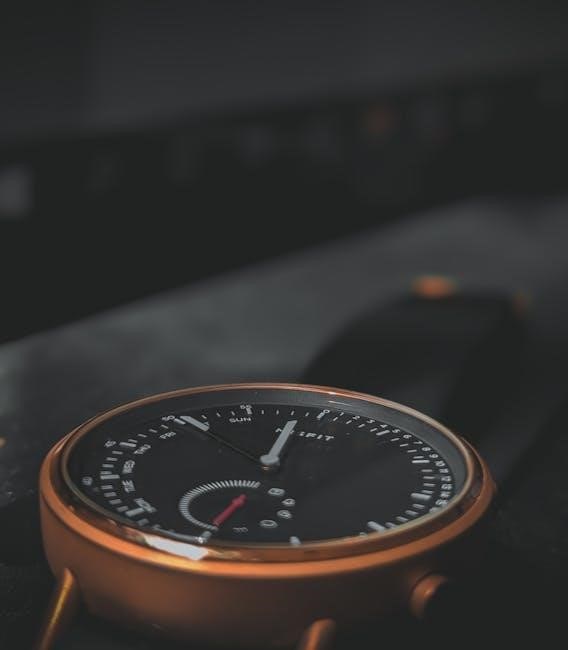
Key characteristics of dress watches include a slim profile, allowing them to comfortably slide under a shirt cuff. Dials are typically clean and uncluttered, often featuring simple hour markers and slender hands. Cases are usually made of precious metals like gold or platinum, or high-quality stainless steel, and straps are commonly leather, offering a comfortable and sophisticated fit.
Complications are generally avoided in dress watches, as they detract from the clean aesthetic. The focus remains on telling time in a refined and elegant manner. These watches are a statement of personal style and appreciation for classic craftsmanship, perfect for special occasions and formal events.
IV. Watch Materials & Construction
The materials used in a watch significantly impact its durability, appearance, and overall value. Stainless steel is a popular choice for cases due to its robustness, corrosion resistance, and versatility, offering a balance between cost and quality. Beyond the case, materials define the entire experience.
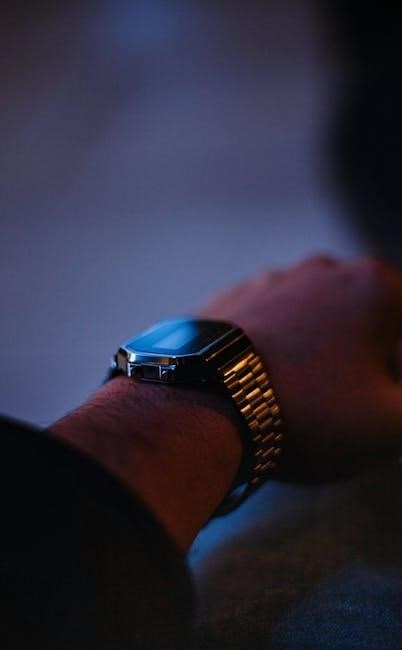
Leather straps remain a classic option, providing comfort and a traditional aesthetic. Different types of leather, such as calfskin or alligator, offer varying levels of luxury and durability. The choice of strap greatly influences the watch’s overall style and feel.
Watch crystals protect the dial and hands, with sapphire glass being the most scratch-resistant option, favored for high-end timepieces. Mineral glass is a more affordable alternative, offering good clarity but being more susceptible to scratches. The construction quality, including seals and movement mounting, also determines the watch’s resilience and longevity.
A. Stainless Steel: Durability and Versatility
Stainless steel stands as a cornerstone material in watchmaking, prized for its exceptional blend of durability and aesthetic flexibility. Its inherent resistance to corrosion, stemming from its chromium content, ensures longevity even with exposure to moisture and daily wear. This makes it ideal for watch cases, bracelets, and even some internal components.
Different grades of stainless steel exist, with 316L being a commonly used surgical-grade alloy known for its superior corrosion resistance and hypoallergenic properties. The material’s versatility allows for various finishes – polished, brushed, or sandblasted – impacting the watch’s overall appearance, from sleek and modern to rugged and utilitarian.
Stainless steel’s relatively affordable cost compared to precious metals like gold or platinum makes it accessible for a wide range of watch tiers. It readily accepts plating with other materials, expanding design possibilities. Its robustness ensures a watch can withstand the rigors of everyday life, making it a practical and stylish choice.
B. Leather Straps: Classic Comfort and Style
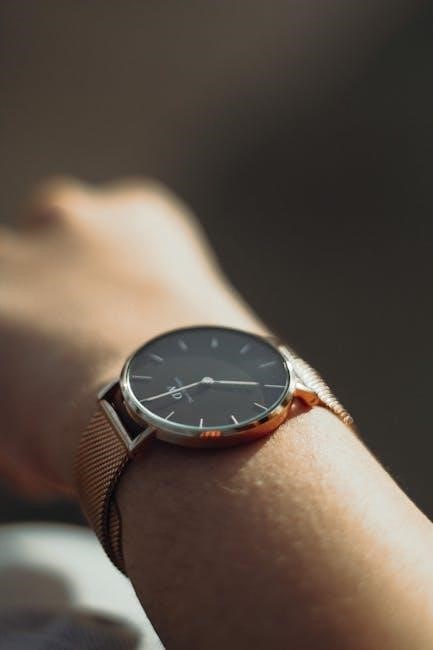
Leather straps represent a timeless choice for watch enthusiasts, offering a unique combination of comfort, style, and versatility. Historically favored for their suppleness and ability to conform to the wrist, leather straps provide a classic aesthetic that complements a wide array of watch designs, from dress watches to casual timepieces;
The quality of leather significantly impacts both durability and appearance. Calfskin is a popular choice, known for its softness and affordability, while more exotic leathers like alligator or crocodile offer premium textures and increased longevity. Stitching quality and strap construction are also crucial factors, influencing the strap’s overall resilience.
Leather straps require some care to maintain their appearance and extend their lifespan. Avoiding excessive moisture and regularly conditioning the leather helps prevent cracking and drying. They offer a comfortable alternative to metal bracelets, and the wide range of colors and textures allows for personalization and a refined look.
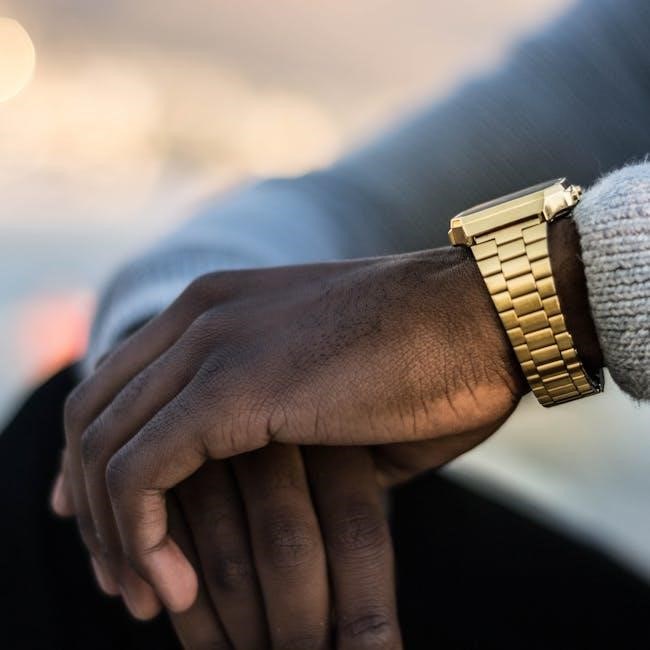
C. Watch Crystals: Sapphire vs. Mineral Glass
The watch crystal, the transparent cover protecting the dial, significantly impacts a watch’s durability and clarity. Two primary materials dominate the market: sapphire crystal and mineral glass. Sapphire, renowned for its exceptional hardness – second only to diamond – offers superior scratch resistance, ensuring the watch face remains pristine for years. This makes it ideal for everyday wear and demanding activities.
However, sapphire is more brittle than mineral glass and can crack under significant impact. Mineral glass, created through a hardening process, is more shatter-resistant but considerably softer. It’s more prone to scratches, though minor abrasions can often be polished away.
The choice between the two often reflects a watch’s price point and intended use. Luxury watches typically feature sapphire crystals, while more affordable options often utilize mineral glass. Ultimately, both materials effectively protect the dial, with sapphire prioritizing scratch resistance and mineral glass emphasizing impact resilience.
V. Watch Tiers & Price Points
The world of watches spans a vast range of price points, generally categorized into three tiers: entry-level, mid-range, and luxury. Entry-level watches, typically under $200, offer affordability without sacrificing basic functionality. These often feature quartz movements and durable materials like stainless steel or resin, making them ideal for first-time buyers or those seeking a reliable, everyday timepiece.
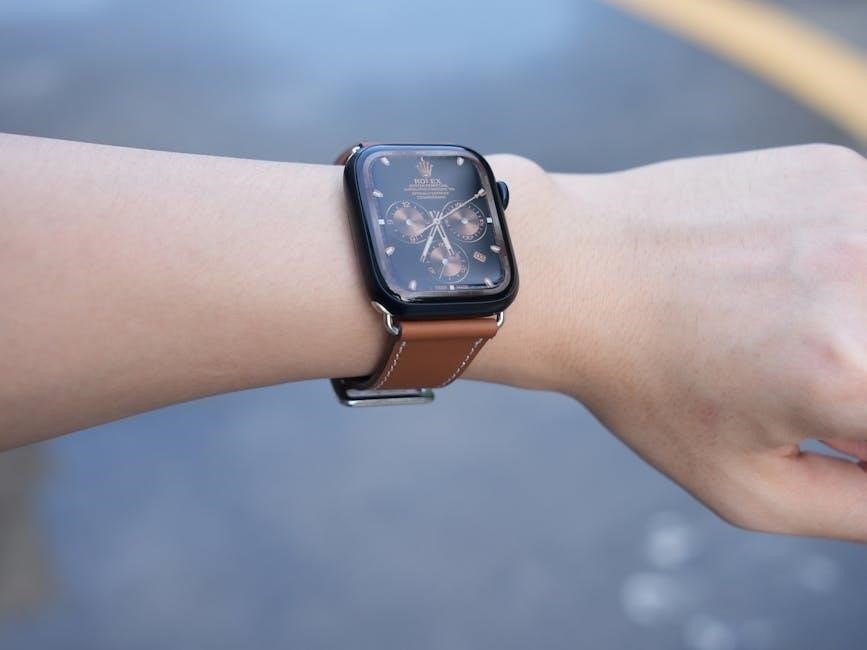
Mid-range watches, ranging from $200 to $1000, strike a balance between quality and price. You’ll find both quartz and automatic movements, along with enhanced materials and features. These watches often represent a significant step up in craftsmanship and design.
Luxury watches, exceeding $1000, represent the pinnacle of horological artistry. They showcase intricate mechanical movements, precious materials, and meticulous attention to detail. These are often considered investment pieces, appreciating in value over time and embodying a legacy of craftsmanship.
A. Entry-Level Watches: Affordable Options
Entry-level watches represent an accessible gateway into the world of horology, typically priced under $200. These timepieces prioritize affordability without completely compromising on functionality or style. A key characteristic is the prevalence of quartz movements, celebrated for their precision and minimal maintenance requirements – eliminating the need for winding or regular servicing.
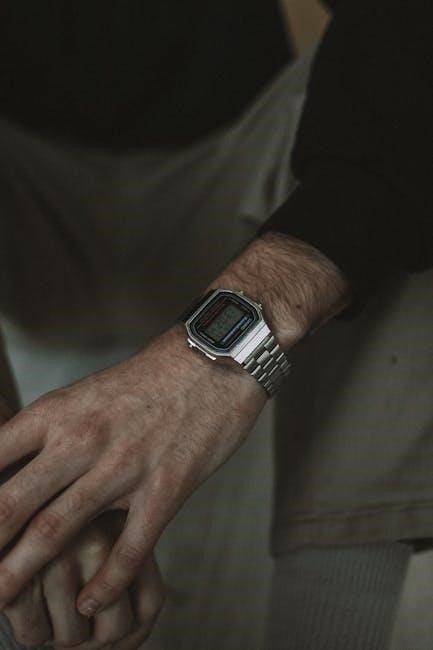
Materials commonly found in this tier include durable stainless steel for the case and a variety of strap options, such as nylon, resin, or leatherette. While intricate complications are rare, entry-level watches reliably display the time and often include basic features like a date window. Brands like Ambition offer compelling options within this price range.
These watches are perfect for individuals seeking a dependable everyday timepiece, students, or those new to watches, providing a practical and stylish introduction to the hobby.
B. Mid-Range Watches: Balancing Quality and Price
Mid-range watches, generally falling between $200 and $1000, strike a compelling balance between affordability and enhanced quality. This tier often introduces automatic movements, offering the charm of mechanical timekeeping with the convenience of self-winding. You’ll also find sophisticated quartz movements with increased accuracy and features.
Construction materials see an upgrade, with more extensive use of stainless steel and improved strap options, including genuine leather. Expect to encounter more detailed dials, enhanced water resistance, and potentially basic complications like a day-date display. Motus, with its skeleton watch offerings, exemplifies brands in this segment.
The mid-range provides a sweet spot for enthusiasts seeking a watch that demonstrates craftsmanship and attention to detail without the substantial investment of luxury models. These watches are suitable for everyday wear and can serve as a stepping stone towards higher-end horology.
C. Luxury Watches: Investment Pieces and Craftsmanship
Luxury watches, typically exceeding $1000 and often reaching tens or even hundreds of thousands of dollars, represent the pinnacle of horological artistry. These timepieces are not merely instruments for telling time; they are investments, heirlooms, and statements of personal style.
Craftsmanship is paramount, with meticulous hand-finishing, intricate movements, and the use of precious metals like gold and platinum. Luxury brands often boast a rich history and heritage, employing skilled artisans dedicated to preserving traditional techniques. Expect complex complications – beyond simple timekeeping – such as tourbillons, perpetual calendars, and minute repeaters.
Materials are of the highest caliber, including sapphire crystals, exotic leather straps, and expertly crafted cases. These watches often appreciate in value over time, making them attractive to collectors. Owning a luxury watch is an experience, a connection to a legacy of precision and elegance.