
Sewing Machine Laser Guides: A Comprehensive Overview (Updated 12/04/2025)
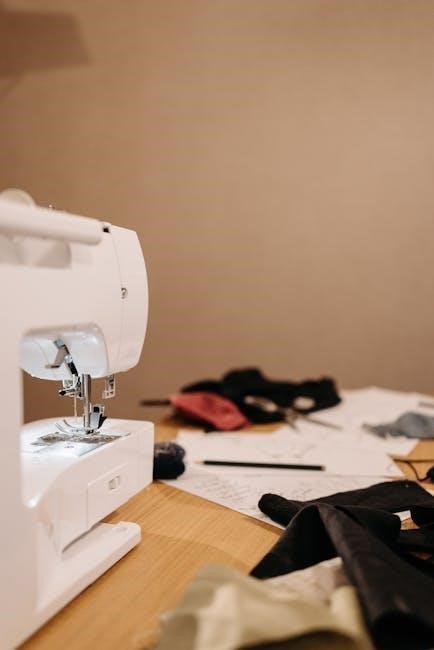
Laser systems are fantastic accessories, offering red or green laser options for enhanced sewing precision. These guides improve alignment and stitching accuracy, especially for quilting!

What is a Sewing Machine Laser Guide?
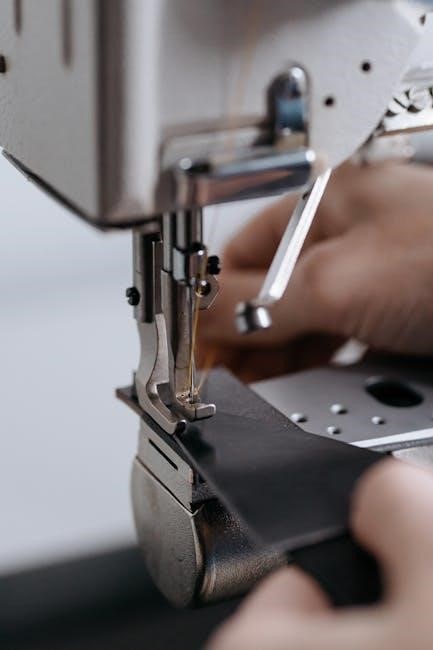
A sewing machine laser guide is an invaluable accessory designed to project a visible beam onto your fabric, serving as a precise stitching reference. These systems, often rechargeable, come with options for red or green laser light. They function as visual guides, enhancing alignment for both new and existing sewing machines.
Essentially, a laser guide eliminates the need for relying solely on traditional seam allowances and markings. It’s a tool that aids in creating perfectly straight lines, crucial for quilting, applique, and general sewing projects requiring accuracy. The projected beam acts as a constant, unwavering guide.
How Do Sewing Machine Lasers Enhance Accuracy?
Sewing machine lasers dramatically improve accuracy by providing a clear, consistent visual reference directly on the fabric. This eliminates guesswork when following seam allowances or stitching intricate designs. The projected beam acts as an unwavering guide, minimizing errors and ensuring straight, precise stitches.
Unlike traditional methods, laser guides aren’t affected by fabric patterns or lighting conditions. They are particularly beneficial for quilting and applique, where precise alignment is paramount. This leads to cleaner finishes and more professional-looking projects, saving time and reducing fabric waste.
Types of Sewing Machine Laser Guides Available
Sewing machine laser guides primarily come in two color options: red and green. Red lasers are generally more affordable, but visibility can be reduced in brightly lit rooms or on darker fabrics. Green lasers offer superior brightness and clarity, making them easier to see in various conditions.
Beyond color, laser guides differ in their projection patterns – dot, line, or crosshair – catering to different sewing needs. These systems are often designed as aftermarket accessories, easily adaptable to existing sewing machines.
Red Laser Guides: Pros and Cons
Red laser guides represent a budget-friendly entry point into laser-assisted sewing. Their primary advantage is cost-effectiveness, making them accessible to a wider range of sewing enthusiasts. However, a significant drawback is reduced visibility, particularly in well-lit spaces or when working with darker-colored fabrics.
The beam can become faint, hindering precise alignment. Despite this, they remain a viable option for simpler projects or sewing in controlled lighting conditions, serving as a functional accessory.
Green Laser Guides: Pros and Cons
Green laser guides offer significantly improved visibility compared to their red counterparts, even in brightly lit rooms and with various fabric colors. This enhanced clarity translates to greater stitching accuracy and reduced eye strain during prolonged sewing sessions. However, this superior performance comes at a higher price point.
Green lasers generally cost more than red ones, representing a larger investment. They also tend to consume more power, potentially requiring more frequent battery changes or a reliable USB connection.
Key Features to Look for in a Laser Guide
When selecting a sewing machine laser guide, prioritize features that enhance usability and precision. Adjustable projection patterns – dot, line, or crosshair – cater to diverse project needs. Consider the mounting method: magnetic attachment offers flexibility, while direct mounting provides stability.
Power source is crucial; battery-operated models offer portability, but USB connectivity ensures consistent power. Look for models with clear, bright beams and easy-to-adjust settings for optimal performance.
Adjustable Projection Patterns (Dot, Line, Crosshair)
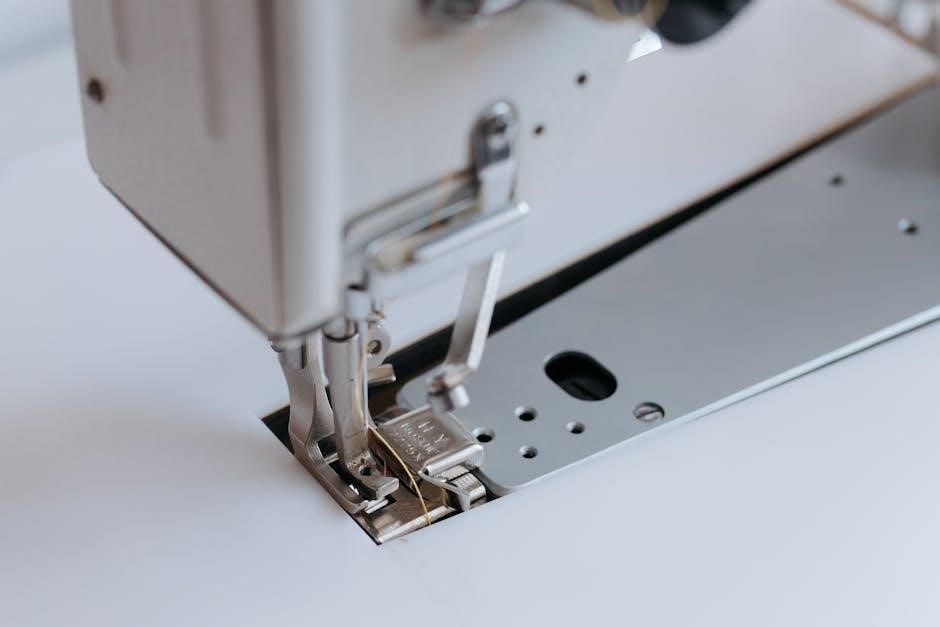
Sewing machine laser guides excel with versatile projection patterns. A simple dot is ideal for focused points, while a line assists with straight stitching and consistent seam allowances. The crosshair pattern combines both, perfect for intricate quilting and precise alignment.
The ability to switch between these patterns expands the laser guide’s functionality, adapting to various projects. Choose a model offering easy pattern selection for maximum convenience and creative control.
Magnetic Attachment vs. Direct Mounting
Sewing machine laser guides offer two primary attachment methods: magnetic and direct mounting. Magnetic attachment provides flexibility, allowing easy repositioning and compatibility with various machine models without permanent modification. However, strong vibrations might cause slippage.
Direct mounting, often involving screws or clamps, offers a more secure and stable connection, crucial for high-speed sewing or complex projects. Consider your machine type and project needs when choosing the best attachment style.
Power Source: Battery vs. USB
Sewing machine laser guides typically utilize either battery or USB power sources. Battery-powered models offer portability and convenience, ideal for sewing in various locations without needing a power outlet. However, batteries require regular replacement or recharging, potentially interrupting workflow.
USB-powered options provide a consistent power supply when connected to a computer or adapter, eliminating battery concerns. Consider your sewing setup and power accessibility when selecting the appropriate power source for your laser guide.
Installation and Setup of a Sewing Machine Laser
Installing a sewing machine laser involves ensuring compatibility with your specific model. Most lasers attach via magnetic bases or direct mounting, requiring careful positioning for optimal performance. Proper alignment is crucial; the laser beam must project accurately along your desired sewing line.
Test the alignment before starting a project, making adjustments as needed. Secure attachment prevents movement during operation, guaranteeing consistent and precise laser guidance throughout your sewing tasks.
Compatibility with Different Sewing Machine Models
Sewing machine laser compatibility varies significantly. Many lasers are designed as universal accessories, adaptable to most standard machines. However, curved surfaces or unusual machine designs may pose challenges for secure attachment.
Magnetic mounting offers broader compatibility, while direct mounting requires specific adapter plates. Always verify the laser’s specifications and user reviews to confirm suitability for your machine model before purchasing, ensuring a seamless installation and optimal performance.
Proper Alignment for Optimal Performance
Laser guide accuracy hinges on precise alignment. Begin by securely mounting the laser, then project the beam onto your fabric. Adjust the laser’s position until the line or dot aligns perfectly with your desired seam allowance or stitching path.
Regularly check alignment during use, as vibrations can cause shifts. Fine-tuning ensures straight stitches, accurate quilting lines, and overall project precision. A well-aligned laser dramatically enhances your sewing experience.
Benefits of Using a Sewing Machine Laser Guide
Sewing machine laser guides significantly improve stitching accuracy, minimizing errors and creating professional-looking results. They enhance quilting precision, allowing for perfectly straight lines and intricate designs with ease. Projects are completed faster due to reduced measuring and marking time.
These guides are ideal for straight stitching, applique, and decorative work, offering a clear visual aid for fabric alignment. Experience increased control and efficiency with this valuable sewing tool!
Improved Stitching Accuracy
Sewing machine laser guides dramatically minimize stitching errors by providing a precise visual reference. This leads to consistently straighter seams and more accurate topstitching, elevating the quality of your projects. The projected laser beam acts as an unwavering guide, reducing the need for constant checking and adjustments.
Achieve professional-level results with enhanced control and precision, even on complex designs. This benefit is particularly noticeable when working with delicate fabrics or intricate patterns.
Enhanced Quilting Precision
Sewing machine laser guides are invaluable for quilters, offering unparalleled precision in piecing and stitching. The laser beam ensures accurate alignment of fabric layers, crucial for achieving perfectly aligned quilt blocks and intricate designs. Consistent seam allowances become effortless, resulting in a more polished and professional finish.
These tools significantly reduce errors, saving time and fabric while boosting confidence in complex quilting projects. Enjoy beautifully symmetrical and precisely stitched quilts every time!
Faster Project Completion
Sewing machine laser guides dramatically speed up project completion by minimizing the need for constant measuring and re-adjustments. The visible laser line provides an instant reference point, allowing for quicker and more efficient stitching. Reduced errors translate to less seam ripping and re-sewing, saving valuable time.
Quilters and garment makers alike will appreciate the increased pace, enabling them to finish projects faster and move on to new creative endeavors. Experience a streamlined workflow and enjoy more time for the fun parts of sewing!
Popular Laser Guide Accessories and Add-ons
Laser guides are often enhanced with complementary accessories. Magnetic seam guides work seamlessly with lasers, providing additional fabric control and precision. Specialized quilting rulers designed for laser use allow for accurate cutting and alignment of fabric pieces, streamlining the quilting process.
These add-ons maximize the benefits of your laser guide, offering a comprehensive solution for improved accuracy and efficiency. Explore these options to elevate your sewing experience and achieve professional-looking results.
Magnetic Seam Guides (Combined with Lasers)
Magnetic seam guides are invaluable when paired with sewing machine lasers, offering a dual-system approach to precision. These guides attach magnetically to your machine, providing a physical reference alongside the laser projection. This combination ensures fabric stays aligned, preventing unwanted shifts during stitching.
Many are multifunctional and polygonal, featuring scales for versatile use. They’re universal accessories, enhancing both accuracy and speed, particularly beneficial for consistent seam allowances and intricate projects.
Quilting Rulers Designed for Laser Use
Quilting rulers specifically designed for use with sewing machine lasers elevate precision in patchwork and quilting projects. These rulers often feature clear markings and angles that align perfectly with the projected laser line, facilitating accurate fabric cutting and consistent block construction.
They streamline processes like creating precise diagonal seams or intricate quilt designs. Utilizing these rulers alongside a laser guide dramatically improves speed and accuracy, resulting in beautifully crafted quilts.
Troubleshooting Common Laser Guide Issues
Laser visibility problems are frequent; a dim or absent beam often indicates low batteries or a loose connection. Ensure fresh batteries or a secure USB connection. Inaccurate projections require careful realignment – verify the laser is properly calibrated to your machine’s needle.
If issues persist, check for obstructions or debris affecting the beam. Regularly cleaning the laser lens can restore optimal performance. Consult the manufacturer’s guide for specific troubleshooting steps.
Laser Not Visible or Dim
A laser that’s difficult to see or appears dim is a common issue. First, check the power source – depleted batteries are a frequent culprit. Ensure batteries are fresh and correctly installed, or verify a stable USB connection if applicable. A loose connection can also cause intermittent or weak beams.
Inspect the laser lens for dust or debris; cleaning it gently can significantly improve visibility. Finally, confirm the room isn’t overly bright, as ambient light can wash out the laser.
Inaccurate Laser Projection
If your laser isn’t projecting accurately, proper alignment is crucial. Double-check the mounting – magnetic attachments can shift, and direct mounts may loosen over time. Re-align the laser carefully, ensuring it’s parallel to the presser foot and seam allowance markings.
Calibration might be necessary; some models offer adjustment screws. Verify the sewing machine itself is calibrated correctly, as mechanical issues can affect laser alignment. A test stitch is recommended after each adjustment.
Safety Precautions When Using a Sewing Machine Laser
Laser safety is paramount. Never stare directly into the laser beam, as even low-power lasers can cause eye strain or damage. Avoid pointing the laser at anyone’s eyes. Ensure the sewing area is well-lit to reduce eye fatigue and improve visibility of the projected line.
When storing the laser guide, protect it from dust and moisture. Handle the device with care to prevent damage to the laser diode. Always disconnect the power source when not in use.
Eye Safety Considerations
Laser diodes, even those in sewing machine guides, pose potential eye hazards. Direct or reflected exposure to the laser beam can cause retinal damage. Avoid looking directly into the laser light during operation. Maintain a well-lit workspace to minimize pupil dilation, reducing laser light intake.
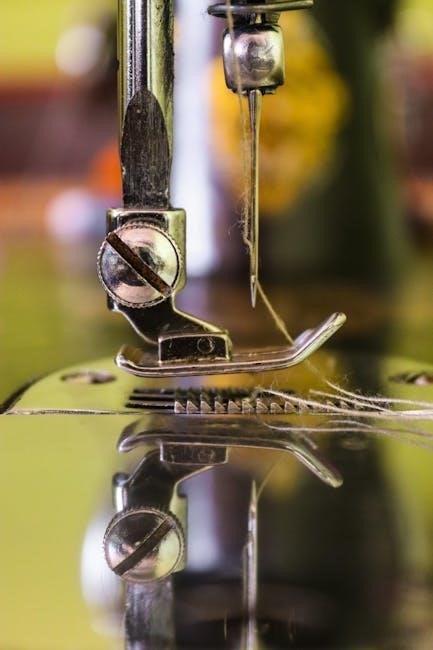
Consider wearing appropriate eye protection, especially during prolonged use. Never allow children or individuals unfamiliar with laser safety to operate the device unsupervised. Prioritize eye health when utilizing this sewing accessory.
Proper Storage and Handling
When not in use, store your sewing machine laser guide in a safe, dry location, away from extreme temperatures and humidity. Protect the laser diode from dust and physical impact, as damage can affect its accuracy and lifespan. Avoid dropping the device or subjecting it to excessive vibration.
Disconnect the power source (remove batteries or unplug USB) during storage. Handle the laser guide with care, avoiding contact with the laser aperture. Proper care ensures longevity and consistent performance.
Top Brands of Sewing Machine Laser Guides
Several brands offer reliable sewing machine laser guides. While specific brand details are evolving as of December 4, 2025, many options provide adjustable projection patterns and easy installation. Look for brands prioritizing safety features and positive user reviews.
Popular choices often include systems with both red and green laser options, catering to different visibility preferences. Researching current models and comparing features is crucial for selecting the best guide for your needs.
Brand A: Feature Highlights & Reviews
Brand A’s laser guide stands out with its rechargeable design and versatile projection options – dot, line, and crosshair. Users consistently praise its easy setup and strong magnetic attachment. Reviews highlight improved stitching accuracy, particularly in quilting projects.
However, some users note the red laser can be less visible in brightly lit rooms. Overall, Brand A offers a reliable and user-friendly sewing accessory, delivering enhanced precision for various sewing applications.
Brand B: Feature Highlights & Reviews
Brand B’s laser positioning light utilizes infrared technology, offering a focused point for precise fabric alignment. Many reviewers appreciate its compact size and suitability for various sewing machines. It’s often cited as a valuable tool for intricate applique and decorative stitching.
Some users mention the infrared light isn’t visible to everyone, requiring careful positioning. Despite this, Brand B provides a cost-effective solution for enhancing sewing accuracy and is a popular choice among hobbyists.
Cost Considerations: How Much Do Laser Guides Cost?
Laser guides exhibit a wide price range, starting around $20 for basic red laser models. These budget-friendly options often feature simple dot projection. Mid-range laser systems, typically between $30-$60, offer adjustable patterns like lines and crosshairs, alongside improved brightness.
High-end systems, exceeding $70, may include USB power and enhanced features. Considering accessories like magnetic seam guides can add to the overall cost. Online retailers like Amazon and Etsy frequently offer competitive pricing.
Budget-Friendly Options
Laser guides under $30 provide an accessible entry point for enhanced sewing accuracy. Typically, these options feature a red laser and a simple dot projection pattern, ideal for basic straight stitching. While lacking advanced features like adjustable lines or USB power, they significantly improve alignment.
Many affordable models utilize battery power and attach magnetically. These are excellent for beginners or those seeking a cost-effective solution to improve their quilting and general sewing projects.
High-End Laser Guide Systems
Laser guide systems exceeding $50 offer advanced features for professional-level precision. These often include green lasers – brighter and more visible – alongside adjustable projection patterns like lines and crosshairs. USB power options provide consistent performance and eliminate battery replacements.
Direct mounting systems ensure stability, while some models boast integrated seam guides. These premium systems cater to quilters and those tackling complex sewing projects, delivering unparalleled accuracy and efficiency.
Laser Guides vs. Traditional Seam Guides: A Comparison
Traditional seam guides rely on physical markings and require precise fabric alignment. Laser guides, however, project a visible beam, offering a dynamic and adaptable sewing reference. While magnetic seam guides are versatile, lasers excel in clarity and adaptability for varied fabrics and projects.
Lasers minimize eye strain and enhance accuracy, particularly in quilting and intricate designs. They represent a modern upgrade, providing a clear visual path for consistent stitch placement, surpassing the limitations of static, physical guides.
Best Uses for Sewing Machine Laser Guides
Sewing machine laser guides shine in applications demanding precision. They are ideal for consistently straight stitching, ensuring uniform seam allowances across projects. Quilters benefit immensely from the enhanced alignment for patchwork and intricate designs, improving overall accuracy.
Furthermore, lasers are excellent for applique and decorative stitching, enabling complex patterns with ease. They provide a clear visual guide, simplifying alignment and resulting in professional-looking finishes on various fabrics and materials.
Straight Stitching Applications
Laser guides revolutionize straight stitching, offering unparalleled accuracy for seams and topstitching. Maintaining consistent seam allowances becomes effortless, resulting in professional-quality garments and home décor projects. The projected laser line acts as a precise visual reference, eliminating guesswork and ensuring fabric alignment.
This is particularly beneficial for long, continuous seams, where even slight deviations can accumulate. Laser guides minimize errors, saving time and fabric while delivering flawlessly straight stitches every time.
Quilting and Patchwork Projects
Laser guides are transformative for quilters, dramatically improving precision in patchwork and appliqué. Achieving accurate ¼-inch seams, crucial for quilt blocks, is simplified with the laser’s clear visual reference. Complex patterns and intricate designs benefit from the enhanced alignment, ensuring points match and blocks fit perfectly.
The laser assists in straight-line quilting, creating even and consistent stitches across the quilt top. This leads to beautifully finished quilts with professional-looking results, saving time and frustration.
Applique and Decorative Stitching
Laser guides excel in applique, offering precise placement of shapes and ensuring neat, consistent stitching around delicate designs. The visible beam acts as a perfect boundary, preventing stitches from wandering and creating professional-quality applique work. Decorative stitching also benefits immensely from the laser’s accuracy.
Complex patterns and free-motion embroidery become easier to execute with the laser as a visual reference, maintaining consistent spacing and guiding the fabric smoothly. This results in beautifully detailed and intricate embellishments.
Where to Buy Sewing Machine Laser Guides
Sewing machine laser guides are readily available through numerous online retailers, including popular platforms like Amazon and Etsy, offering a wide selection and competitive pricing. Many local sewing machine dealers also stock these helpful accessories, providing expert advice and hands-on demonstrations.
Checking both online and brick-and-mortar stores allows you to compare models, read reviews, and potentially find exclusive deals. Don’t hesitate to ask sewing professionals for recommendations!
Online Retailers (Amazon, Etsy, etc.)
Amazon presents a vast catalog of sewing machine laser guides, boasting diverse brands and price points, alongside customer reviews for informed decisions. Etsy showcases unique, often handmade, laser guide options, supporting small businesses and offering customized solutions.
Other online retailers specializing in sewing supplies also carry these accessories. Comparing prices and shipping costs across platforms is crucial for securing the best deal and convenient delivery.
Local Sewing Machine Dealers
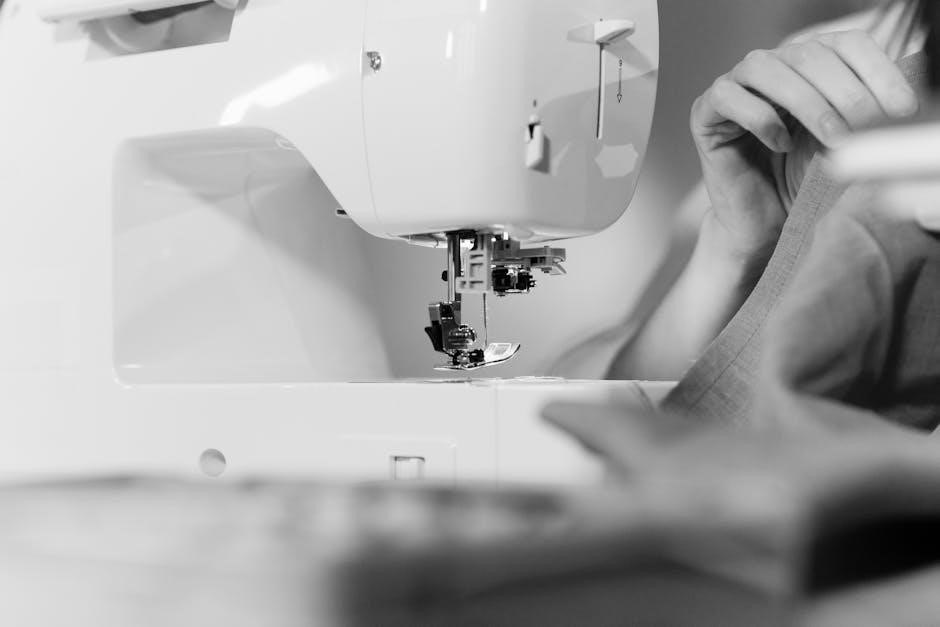
Local sewing machine dealers offer a personalized shopping experience, allowing hands-on examination of laser guides before purchase. Knowledgeable staff can provide expert advice, ensuring compatibility with your specific machine model and offering installation guidance.
These dealers often stock popular brands and may provide after-sales support, including troubleshooting assistance. While potentially pricier than online options, the added service and expertise can be invaluable, especially for beginners.
Future Trends in Sewing Machine Laser Technology
Future laser technology will likely see integration with “smart” sewing machines, offering automated alignment and stitch path projection. Expect advanced capabilities beyond simple lines and dots, potentially including dynamic pattern projection directly onto the fabric.
Improved accuracy and real-time adjustments based on fabric type are also anticipated. Wireless connectivity and app control could allow for remote laser adjustments and customized settings, revolutionizing precision and efficiency in sewing projects.

Integration with Smart Sewing Machines
Smart sewing machines will seamlessly integrate laser guides, enabling automated alignment and stitch path projection. This synergy will allow for dynamic adjustments based on fabric analysis and pattern complexity, enhancing precision beyond manual settings.
Expect features like automatic laser calibration and remote control via smartphone apps. The laser will respond to machine commands, optimizing stitch accuracy and streamlining complex projects. This integration promises a new era of automated sewing efficiency.
Advanced Projection Capabilities
Future laser guides will move beyond simple dots, lines, and crosshairs, offering customizable projection patterns. Imagine projecting entire seam allowances or intricate quilting designs directly onto the fabric! Variable intensity and color options will improve visibility on diverse materials.
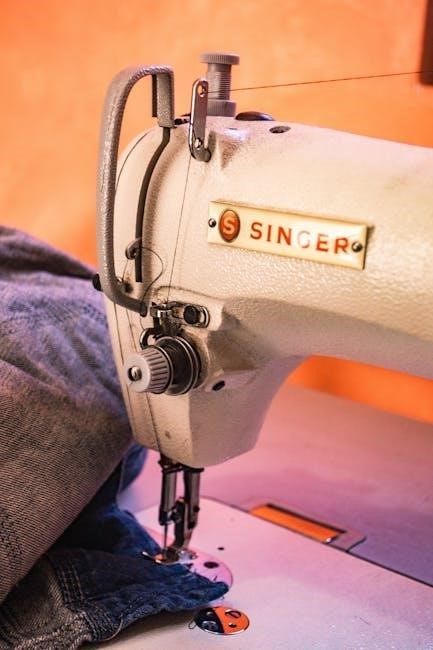
Holographic projections and 3D laser mapping are also possibilities, creating a truly immersive sewing experience. These advancements will empower users with unprecedented control and precision, unlocking new creative possibilities in garment construction and textile art.