
Vacuum technology intentionally creates a volume with a lower gas density than atmospheric conditions, enabling diverse processes, as detailed in introductory texts and resources.
Defining Vacuum: Beyond Atmospheric Pressure
Defining vacuum transcends simply removing air; it’s about establishing a condition where the pressure within a contained space is significantly lower than standard atmospheric pressure. This isn’t an absolute emptiness, but rather a reduced density of gas molecules. Resources like introductory vacuum technology texts emphasize this fundamental principle.
The degree of vacuum is categorized into ranges – rough, medium, and high – each suited for specific applications. Understanding this concept is crucial, as vacuum conditions directly enable a variety of processes. As outlined in available materials, vacuum denotes a state where pressure inside a chamber is diminished, differing from typical atmospheric surroundings.
Historical Development of Vacuum Technology
The evolution of vacuum technology began with rudimentary attempts to create partial vacuums centuries ago, progressing through pivotal experiments demonstrating atmospheric pressure; Early pioneers, driven by scientific curiosity, laid the groundwork for modern advancements. The 20th century witnessed significant leaps, spurred by industrial needs and the development of more sophisticated pumping mechanisms.
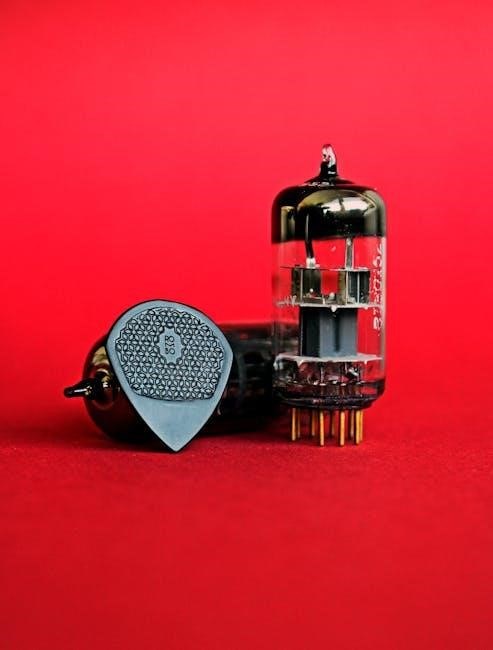
Initial applications focused on basic scientific research, but quickly expanded into areas like lighting (vacuum tubes) and materials processing. The field matured alongside advancements in sealing techniques and pressure measurement. Today’s resources, including introductory texts, build upon this rich history, showcasing a continuous refinement of vacuum-related principles and equipment.
Importance of Vacuum in Modern Industries
Vacuum technology’s significance extends across a vast spectrum of modern industries, becoming indispensable for numerous critical processes. Within the chemical industry, it facilitates thermal operations and preserves product integrity during reprocessing, as highlighted in specialized literature. Semiconductor manufacturing relies heavily on high-vacuum environments for deposition and etching processes.
Furthermore, vacuum drying techniques, like lyophilization, are crucial in pharmaceuticals and food preservation. Research and development, materials science, and even space exploration depend on controlled vacuum conditions. The ability to manipulate gas density enables precise control and enhances product quality, making vacuum technology a cornerstone of innovation and efficiency across diverse sectors.
Fundamental Principles of Vacuum
Fundamental principles involve the relationships between pressure, volume, and temperature, governed by gas laws, alongside understanding mean free path and collision theory.
Pressure, Volume, and Temperature Relationships
Understanding the interplay between pressure, volume, and temperature is crucial in vacuum technology. These relationships are fundamentally described by established gas laws, such as Boyle’s Law, Charles’s Law, and the Ideal Gas Law. These laws dictate how changes in one variable affect the others within a closed system, directly impacting vacuum system performance.
For instance, decreasing the volume of a gas at a constant temperature will increase its pressure, a principle utilized in many vacuum pump designs. Conversely, reducing the temperature lowers the pressure. Precise control and calculation of these parameters are essential for achieving and maintaining desired vacuum levels. The physical basics of vacuum technology rely heavily on these core thermodynamic principles, ensuring efficient and reliable operation.
Gas Laws and Vacuum Systems
The application of gas laws – Boyle’s, Charles’s, and the Ideal Gas Law – is fundamental to the design and operation of vacuum systems. These laws predict gas behavior under varying conditions, crucial for calculating pump performance and system capacity. Understanding these relationships allows engineers to accurately estimate pumping times and ultimate achievable pressures.
For example, knowing the gas load and pump speed, derived from these laws, enables selection of the appropriate vacuum pump for a specific application. Deviations from ideal gas behavior must also be considered, especially at higher pressures. Consequently, a thorough grasp of these principles is essential for effective vacuum system design, control, and troubleshooting, ensuring optimal performance and reliability.
Mean Free Path and Collision Theory
Collision theory and the concept of mean free path are vital in understanding gas behavior within vacuum systems. As pressure decreases, the distance a gas molecule travels before colliding with another – the mean free path – increases significantly. This impacts various phenomena, including pumping efficiency and surface interactions.
At high vacuum levels, the mean free path can exceed the dimensions of the vacuum chamber, leading to molecular flow regimes. This necessitates different design considerations for components like apertures and pumps. Understanding these principles is crucial for predicting gas transport, optimizing system performance, and minimizing contamination, ultimately ensuring the desired vacuum level is achieved and maintained effectively.

Vacuum Pressure Ranges and Units
Vacuum is categorized into different pressure ranges, including rough vacuum (1 Torr to 760 Torr), medium, and high vacuum, each enabling specific processes and applications.
Rough Vacuum (1 Torr to 760 Torr)
Rough vacuum, spanning from 1 Torr to atmospheric pressure (760 Torr), represents the initial stage of pressure reduction typically achieved using mechanical pumps like rotary vane or diaphragm pumps. This range is commonly employed in applications where extremely low pressures aren’t critical, such as vacuum packaging, rough drying processes, and as a forepump stage for higher vacuum systems.
Achieving rough vacuum is relatively straightforward and cost-effective, making it ideal for large-volume evacuations. However, the presence of significant gas load limits the ultimate achievable pressure. It serves as a foundational step, preparing systems for more sophisticated pumping methods to reach lower pressure levels required for specialized industrial and scientific applications.
Vacuum Pumps: Types and Applications
Vacuum pumps encompass mechanical, molecular, and capture types, each suited for specific pressure ranges and applications within vacuum systems and processes.
Mechanical Pumps (Rotary Vane, Diaphragm)
Mechanical pumps, including rotary vane and diaphragm pumps, represent a foundational element in achieving rough vacuum conditions – typically ranging from 1 Torr to 760 Torr. Rotary vane pumps operate by utilizing a rotating vane that sweeps gas molecules towards the exhaust. These are commonly employed for initial pump-down stages due to their robust nature and ability to handle relatively high gas loads.
Diaphragm pumps, conversely, utilize a reciprocating diaphragm to create a pumping action. They are particularly well-suited for applications requiring clean, oil-free vacuum, making them ideal for sensitive processes. Both types are relatively simple in design and maintenance, contributing to their widespread adoption across various industries and laboratory settings. Their limitations lie in achieving higher vacuum levels compared to more advanced pump technologies.
Molecular Pumps (Turbomolecular, Diffusion)
Molecular pumps, such as turbomolecular and diffusion pumps, are crucial for attaining high and ultra-high vacuum levels, extending beyond the capabilities of mechanical pumps. Turbomolecular pumps employ rapidly rotating blades to impart momentum to gas molecules, directing them towards the exhaust. These pumps excel in achieving low base pressures and are widely used in research and industrial applications demanding clean vacuum environments.
Diffusion pumps, historically significant, utilize a heated jet of oil to create a downward flow, entraining gas molecules and pumping them away. While effective, they require a backing pump and careful maintenance due to oil backstreaming concerns. Both molecular pump types are essential for processes sensitive to contamination and requiring precise control of the gaseous environment, enabling advanced scientific and technological endeavors.
Capture Pumps (Cryopumps, Getter Pumps)
Capture pumps, encompassing cryopumps and getter pumps, offer unique approaches to achieving ultra-high vacuum by actively capturing gas molecules. Cryopumps utilize extremely cold surfaces – often employing liquid helium or closed-cycle refrigeration – to condense and freeze gases, effectively removing them from the vacuum chamber. These are particularly effective for handling large gas loads and achieving very low pressures.
Getter pumps, conversely, employ chemically reactive materials that absorb or chemically bind gas molecules. Titanium is a common getter material, forming stable compounds with various gases. Getter pumps are often used for maintaining vacuum levels after initial pumping with other methods, providing a clean and sustainable vacuum environment. Both technologies are vital for specialized applications demanding exceptionally pure vacuum conditions.

Vacuum Components and Systems
Vacuum systems integrate chambers, valves, gauges, and fittings, requiring effective sealing techniques and compatible materials to maintain desired pressure levels and functionality.
Vacuum Chambers and Vessels
Vacuum chambers and vessels are foundational components, meticulously designed to withstand substantial pressure differentials between their interior and the surrounding atmosphere. These structures, often constructed from stainless steel, aluminum, or glass, require robust designs to prevent implosion or deformation under vacuum conditions.
Their geometry significantly impacts pump performance and outgassing rates; simpler shapes minimize surface area and potential leak paths. Careful consideration is given to port placement for optimal pump connection and component access.
Sealing is paramount, utilizing O-rings, gaskets, or specialized flanges to ensure a hermetic seal. Bakeout procedures, involving heating the chamber, are frequently employed to reduce adsorbed gases and improve vacuum levels. Proper material selection minimizes outgassing, contributing to overall system performance and longevity.
Valves, Gauges, and Fittings
Valves regulate gas flow within vacuum systems, controlling access to pumps, isolation of sections, and precise process control. Various types exist, including gate valves for high vacuum, ball valves for quick isolation, and needle valves for fine adjustments.
Vacuum gauges are crucial for monitoring pressure levels, employing mechanical, thermal conductivity, or ionization principles. Accurate pressure measurement is vital for process optimization and system diagnostics.
Fittings, such as flanges and connectors, provide leak-tight joints between components. Standardized configurations like KF and CF flanges ensure compatibility. Careful selection of materials and proper installation are essential to maintain system integrity and prevent contamination, contributing to reliable vacuum performance.
Sealing Techniques and Materials
Achieving a vacuum necessitates robust sealing techniques to prevent gas leaks. Common methods include using O-rings, gaskets, and metal seals, each suited for specific pressure ranges and applications. O-rings, made from elastomers like Viton or silicone, are cost-effective for rough to medium vacuum.
Metal seals, employing copper or aluminum gaskets, offer superior leak tightness and temperature resistance for high and ultra-high vacuum environments. Proper surface preparation and torque control are critical for effective sealing.

Material selection considers compatibility with process gases and the required vacuum level. Avoiding outgassing materials is crucial to maintain a clean vacuum environment, ensuring optimal system performance and preventing contamination.

Vacuum Technology in Chemical Industry
Vacuum technology facilitates basic thermal and mechanical operations within chemistry, reprocessing reaction products while preserving their integrity under controlled conditions, as noted in resources.
Thermal Operations Under Vacuum
Employing vacuum conditions significantly alters thermal processes within the chemical industry, offering distinct advantages over atmospheric operations. Reduced pressure lowers the boiling point of liquids, enabling distillation and evaporation at considerably lower temperatures. This is crucial for heat-sensitive materials, preventing thermal degradation and preserving product quality.
Furthermore, vacuum environments enhance heat transfer efficiency. The absence of convective air currents promotes more rapid and uniform heating, leading to faster processing times and reduced energy consumption. These benefits are particularly valuable in applications like drying, sublimation, and various chemical reactions where precise temperature control is paramount. Vacuum also aids in removing volatile byproducts, driving reactions to completion and improving yields.
Reprocessing Reaction Products
Vacuum technology plays a vital role in efficiently reprocessing reaction products within chemical manufacturing. It facilitates the separation of desired compounds from unwanted byproducts, unreacted starting materials, and solvents. Distillation under vacuum lowers boiling points, allowing for gentle separation of volatile components without thermal decomposition.
Furthermore, vacuum stripping effectively removes residual solvents and impurities, ensuring high product purity. This is particularly important in pharmaceutical and fine chemical industries where stringent quality standards are essential. Vacuum also enables the recovery and recycling of valuable solvents, reducing waste and minimizing environmental impact. The ability to preserve product integrity during reprocessing makes vacuum a cornerstone of modern chemical processing.
Preservation of Product Integrity
Vacuum technology is crucial for maintaining the integrity of sensitive chemical products during various processing stages. By reducing the partial pressure of volatile components, it minimizes unwanted reactions like oxidation or degradation, which can compromise product quality. This is especially vital for heat-sensitive materials where traditional processing methods might cause decomposition.
The controlled environment offered by vacuum systems prevents contamination from atmospheric gases, ensuring purity and stability. Vacuum also aids in removing dissolved gases from liquids, preventing issues like foaming or crystallization. Ultimately, employing vacuum techniques safeguards the desired chemical structure and properties, delivering a final product that meets stringent specifications and maintains its intended functionality.
Vacuum Drying Processes
Vacuum drying lowers container pressure to remove moisture from materials without freezing, effectively removing surface moisture while maintaining low temperatures.
Freeze Drying (Lyophilization) Principles
Freeze drying, or lyophilization, is a specialized vacuum drying process crucial for preserving delicate materials. It begins by freezing the substance, then reducing the surrounding pressure to allow the frozen water to sublimate directly from the solid phase to gas.
This sublimation occurs below the material’s freezing point, preventing damage often associated with conventional drying methods. The vacuum environment facilitates this phase transition, efficiently removing moisture without causing significant structural changes.
Maintaining a low temperature throughout the process is vital to prevent collapse or melting. This technique is widely used in pharmaceuticals, biotechnology, and food preservation, ensuring long-term stability and preserving product integrity.
Removing Moisture Without Freezing
While seemingly contradictory, certain vacuum drying techniques effectively remove surface moisture at temperatures below freezing, though not necessarily employing full lyophilization. Lowering the pressure within a container significantly reduces the boiling point of water. This allows moisture to evaporate at lower temperatures than traditionally required.
This is particularly useful for temperature-sensitive materials where even mild heating could cause degradation. The vacuum assists in pulling moisture from the material’s surface, accelerating the drying process. Careful control of pressure and temperature is essential to optimize efficiency and prevent damage.
This method is a valuable alternative when complete freeze-drying isn’t necessary, offering a gentler approach to moisture removal.
Surface Moisture Removal
Vacuum technology excels at removing moisture specifically from material surfaces, a critical step in numerous industrial processes. By reducing ambient pressure, the rate of evaporation from the surface dramatically increases, even at relatively low temperatures. This is because the lowered pressure reduces the resistance to moisture escaping into the gaseous phase.
This technique is vital for preparing surfaces for coatings, adhesives, or other treatments where even trace amounts of moisture can compromise adhesion or cause unwanted reactions. It’s also crucial in preventing corrosion and ensuring product stability.
The effectiveness of surface moisture removal depends on factors like vacuum level, temperature, and material properties.

Vacuum Measurement Techniques
Vacuum measurement utilizes mechanical, thermal conductivity, and ionization gauges – like Bayard-Alpert and Penning – to accurately quantify pressure levels within a system.
Mechanical Gauges (Bourdon Tube, Pirani)
Mechanical gauges represent a foundational approach to vacuum measurement, relying on physical deformation to indicate pressure. Bourdon tube gauges, commonly used in rough vacuum ranges, employ a curved, flattened tube that straightens proportionally to the internal pressure, driving a mechanical linkage and pointer.
Pirani gauges, also suited for rough and medium vacuum, operate on the principle of thermal conductivity. A heated filament’s temperature changes with gas pressure; this temperature variation is measured via resistance changes, providing a pressure reading. These gauges are relatively inexpensive and robust, though their accuracy can be affected by gas composition. They are frequently used for quick, localized pressure checks within vacuum systems, offering a practical solution for basic monitoring needs.
Thermal Conductivity Gauges
Thermal conductivity gauges determine pressure by measuring heat transfer from a heated element to the surrounding gas. These gauges function on the principle that a gas’s ability to conduct heat is directly related to its density – and therefore, pressure. As pressure decreases (vacuum improves), the gas’s thermal conductivity diminishes, leading to a higher temperature reading on the heated element.
These gauges are particularly effective in the medium vacuum range. However, accuracy is influenced by the type of gas present, as different gases possess varying thermal conductivity properties. Calibration for specific gases is often necessary. They provide a reliable and relatively straightforward method for pressure measurement, commonly employed in vacuum system monitoring and control applications.
Ionization Gauges (Bayard-Alpert, Penning)
Ionization gauges, including Bayard-Alpert and Penning types, measure vacuum by ionizing gas molecules and detecting the resulting ions. These gauges operate at high vacuum levels, where the mean free path of gas molecules is significant. Electrons emitted from a filament collide with gas molecules, creating positive ions and more electrons.

The ion current is proportional to the gas pressure, allowing for precise pressure measurement. Bayard-Alpert gauges utilize a collector grid to separate ions and electrons, while Penning gauges employ a magnetic field to trap electrons, enhancing ionization efficiency. These gauges are highly sensitive and crucial for achieving and maintaining ultra-high vacuum conditions in various scientific and industrial applications.