
Ryobi 40V Lawn Mower Manual: A Comprehensive Guide
Unlock peak performance! This manual expertly guides you through every aspect of your Ryobi 40V mower, from assembly to troubleshooting, ensuring a masterful experience․
Welcome to the world of cordless convenience! Your new Ryobi 40V lawn mower represents a powerful and efficient solution for maintaining your lawn․ LinkedIn, with over 1 billion members, connects professionals globally – and Ryobi connects you to a beautifully manicured yard․ This mower combines the freedom of battery power with the performance you expect from a leading outdoor tool brand․
This manual is designed to be your comprehensive resource, providing step-by-step instructions and valuable insights into operating, maintaining, and troubleshooting your mower․ Whether you’re a seasoned homeowner or a first-time lawn care enthusiast, this guide will empower you to achieve professional-quality results with ease․ Prepare to experience the difference!
Safety Precautions and Warnings
Prioritize your safety! Before operating your Ryobi 40V lawn mower, carefully review and understand all safety precautions outlined in this manual․ Always disconnect the battery pack before performing any maintenance or adjustments․ Never operate the mower with damaged parts, and ensure all guards are securely in place․
Keep children and pets away from the mowing area during operation․ Wear appropriate safety gear, including eye protection and sturdy footwear․ Be mindful of potential hazards in your yard, such as rocks and debris․ LinkedIn emphasizes professional networking; similarly, safe operation networks to a positive experience․ Always turn off the mower and wait for the blade to stop completely before lifting or carrying it․

Understanding Your Lawn Mower
Explore core functionalities! This section details the Ryobi 40V mower’s key components, battery system, and operational principles for optimal performance and control․
Key Components and Their Functions
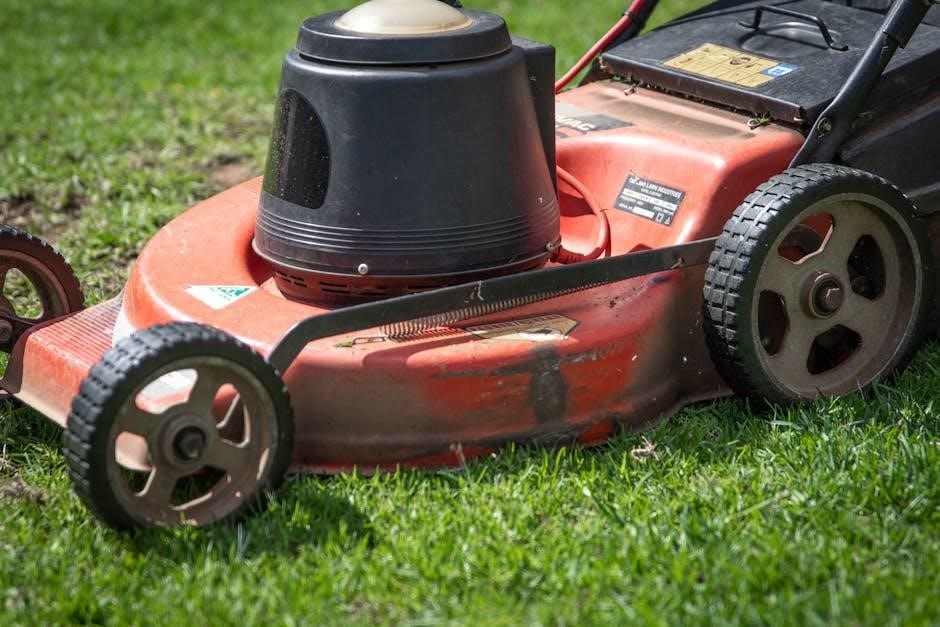
The cutting deck houses the blade and directs airflow for efficient cutting and collection․ The motor, powered by the 40V battery, drives the blade, delivering the necessary power․ The handle provides comfortable control during operation, often adjustable for user preference․ The battery compartment securely holds the 40V battery, ensuring a reliable power source․
The height adjustment levers allow for easy selection of desired cutting heights․ The grass catcher (if equipped) collects clippings for a clean finish․ The mulching plug enables the mower to finely chop and return clippings to the lawn as fertilizer․ Understanding each component’s role is crucial for effective operation and maintenance, maximizing your Ryobi 40V mower’s potential․
Ryobi 40V Battery System Overview

Ryobi’s 40V system offers cordless convenience and power․ Batteries are interchangeable with over 70 other Ryobi 40V tools, providing versatility and cost savings․ Lithium-ion technology delivers consistent power and longer runtimes compared to older battery types․ Battery capacity is measured in Amp-hours (Ah); higher Ah means longer operation․
Charging times vary depending on the battery size and charger used․ Ryobi offers standard and rapid chargers․ Proper battery care, such as avoiding extreme temperatures and fully charging before storage, extends battery life․ Always use a Ryobi-approved charger to prevent damage and ensure optimal performance within the 40V ecosystem․

Assembly and Initial Setup
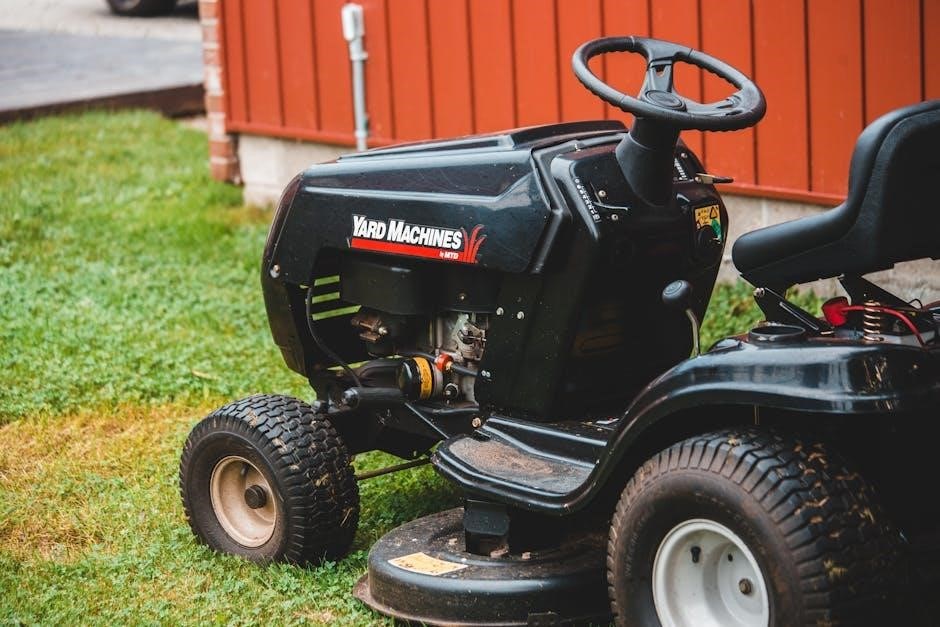
Begin with confidence! Carefully unpack all components, verify parts against the checklist, and securely attach the handle for a safe and efficient mowing experience․
Unboxing and Parts Checklist
Carefully unpack your new Ryobi 40V lawn mower and ensure all components are present․ Begin by inspecting the carton for any shipping damage․ Once opened, lay out all parts on a protected surface․ Your package should include: the mower deck, rear wheel assembly (potentially pre-attached), handle, battery (if included in the kit), charger (if applicable), mulching plug, side discharge chute, and a parts/instruction manual․
Cross-reference the included parts list within the manual to confirm everything is accounted for․ Note any missing or damaged parts immediately and contact Ryobi customer support for replacements․ Retain the original packaging for potential returns or warranty claims․ Proper inventory at this stage prevents frustration later during assembly and initial setup․
Attaching the Handle and Other Components
Begin assembly by attaching the handle to the mower deck using the provided bolts and washers․ Ensure the handle is securely fastened, as it directly impacts control during operation․ Next, install the rear wheel assembly, if not pre-attached, following the diagram in your manual․ Proper alignment is crucial for smooth maneuvering․
Attach the mulching plug or side discharge chute, depending on your preferred cutting method․ These components simply snap or bolt into place․ Double-check all connections for tightness and stability․ Finally, familiarize yourself with the battery compartment location and ensure the battery slides in securely․ A properly assembled mower ensures safe and efficient lawn care․

Operating Instructions
Effortless operation awaits! Learn to start, stop, adjust cutting heights, and utilize mulching/bagging features for a perfectly manicured lawn every time․
Starting and Stopping the Mower
Initiating Operation: Ensure the Ryobi 40V battery is fully charged and securely inserted into the mower․ Engage the safety key, if equipped, and firmly grasp the handle bail․ Press and hold the power button; the mower will then begin operation․ Release the bail to immediately stop the blade rotation and motor․ Safety First: Always disengage the battery when making adjustments or performing maintenance․
Emergency Stop: In emergency situations, release the handle bail and remove the battery for complete power cutoff․ Never attempt to override the safety mechanisms․ Familiarize yourself with the quick-stop procedure before each use․ Proper starting and stopping procedures are crucial for safe and efficient lawn care․ Always double-check the area is clear of obstructions before starting․
Adjusting Cutting Height
Optimal Lawn Care: Your Ryobi 40V mower features easy-to-use cutting height adjustment․ Locate the height adjustment levers, typically one on each wheel․ These levers allow you to select your desired grass length․ Multiple Settings: The mower offers a range of height settings, usually from 1․5 to 4 inches, providing versatility for different grass types and preferences․
Procedure: To raise the cutting height, move the levers forward; to lower it, move them backward․ Ensure all wheels are set to the same height for an even cut․ Regularly adjusting the height promotes healthy grass growth․ Always stop the mower and disconnect the battery before making any adjustments․ A higher cut is generally recommended for warmer seasons․
Mulching, Bagging, and Side Discharge Options
Versatile Lawn Management: Your Ryobi 40V mower offers three convenient discharge options: mulching, bagging, and side discharge․ Mulching finely chops grass clippings and returns them to the lawn as fertilizer, promoting healthy growth․ To mulch, insert the mulching plug into the discharge chute․
Bagging collects clippings in a rear bagger, ideal for a pristine finish and leaf collection․ Attach the bagger securely to the mower deck․ Side Discharge expels clippings out the side, suitable for longer grass or larger areas․ Remove the mulching plug and direct the discharge chute outwards․ Always ensure the discharge area is clear of obstructions and people․
Maintenance and Care
Prolong your mower’s life! Regular maintenance – blade sharpening, battery care, and cleaning – ensures optimal performance and lasting reliability for years to come․
Blade Sharpening and Replacement
Maintaining a sharp blade is crucial for a clean, healthy cut and the overall performance of your Ryobi 40V lawn mower․ Dull blades tear grass, leading to brown tips and increased susceptibility to disease․ Regularly inspect the blade for damage, such as nicks, bends, or excessive wear․
Sharpening can often be done with a metal file or a bench grinder, ensuring to maintain the original angle․ Always disconnect the battery before performing any blade work! For severely damaged blades, replacement is necessary․
When replacing, ensure the new blade is specifically designed for your Ryobi 40V model․ Tighten the blade bolt to the manufacturer’s specified torque to prevent loosening during operation․ Proper blade maintenance significantly extends the life of your mower and improves cutting quality․
Battery Care and Charging

Maximize the lifespan and performance of your Ryobi 40V battery with proper care and charging practices․ Always use the Ryobi-approved charger specifically designed for your 40V battery system․ Avoid charging in extreme temperatures – ideally between 41°F and 104°F (5°C and 40°C)․
Do not overcharge the battery; disconnect it once fully charged․ For optimal battery health, store it in a cool, dry place, partially charged (around 40-60%)․ Never disassemble or modify the battery pack․
Regularly inspect the battery for any signs of damage, such as cracks or leaks․ Proper battery maintenance ensures consistent power and prolongs the overall life of your Ryobi 40V lawn mower․
Cleaning and Storage
Maintain your Ryobi 40V lawn mower’s peak condition with regular cleaning and proper storage․ After each use, disconnect the battery and thoroughly clean the mower deck, removing grass clippings and debris․ Never use a water hose directly on the mower; instead, use a brush or scraper․
Inspect the blade for damage and sharpen as needed․ For long-term storage, clean the mower completely, apply a corrosion protectant, and store it in a dry, covered area․ Ensure the battery is stored separately, partially charged, and in a cool, dry location․
Proper cleaning and storage will prevent rust and ensure your mower is ready for the next mowing season․
Troubleshooting Common Issues
Resolve problems quickly! This section provides clear guidance for diagnosing and fixing typical Ryobi 40V mower issues, maximizing uptime and convenience․
Mower Won’t Start
Diagnosing a No-Start Condition: If your Ryobi 40V lawn mower fails to start, begin with the simplest checks․ Ensure the safety key is fully inserted and functioning correctly․ Verify the 40V battery is fully charged – a low battery is a common culprit․ Inspect the battery terminals for corrosion or debris, cleaning them if necessary․
Safety Interlocks: Confirm all safety interlocks are engaged properly․ This includes the blade control lever being held firmly against the handle․ A disengaged interlock will prevent the mower from starting․ Check the grass catcher or mulching plug; improper installation can also trigger a safety shut-off․
Further Investigation: If the issue persists, examine the wiring connections for any damage or loose connections․ A faulty switch or a damaged wire could be preventing power from reaching the motor․ If you’re uncomfortable with electrical troubleshooting, consult a qualified service technician․
Uneven Cutting
Addressing Uneven Cut Issues: Experiencing an uneven cut with your Ryobi 40V mower? First, verify the cutting height is set appropriately for your lawn conditions․ Lower settings require a smoother, more level surface․ Dull or damaged blades are a primary cause; sharpen or replace them as needed for optimal performance․
Deck Leveling: Ensure the mower deck is level․ An uneven deck will result in scalping in some areas and uncut grass in others․ Check for obstructions under the deck, such as accumulated grass clippings or debris, which can interfere with blade rotation․
Cutting Speed: Avoid moving the mower too quickly․ A slower, steady pace allows the blades to effectively cut the grass․ Overlapping each pass slightly can also help achieve a more uniform finish․
Battery Issues
Troubleshooting Battery Problems: If your Ryobi 40V mower isn’t responding, first confirm the battery is fully charged using the appropriate Ryobi charger․ A faulty charger can prevent proper charging; test with a known working charger if possible․ Inspect the battery terminals for corrosion or debris, cleaning them gently with a dry cloth․
Battery Compatibility: Ensure you’re using a compatible Ryobi 40V battery․ Using an incorrect voltage or incompatible battery can damage the mower or battery itself․ Check the battery’s voltage and amp-hour rating against the mower’s specifications․
Storage & Temperature: Avoid storing batteries in extreme temperatures․ Prolonged exposure to heat or cold can reduce battery life and performance․

Ryobi 40V Lawn Mower Parts Diagram
Visualize your mower! This diagram identifies key replacement parts, streamlining repairs and maintenance for optimal performance and longevity of your Ryobi mower․
Identifying Key Replacement Parts
Locating essential components is now easier than ever! This section details frequently replaced parts for your Ryobi 40V lawn mower․ Key items include the blade (crucial for cutting performance), the drive belt (powering self-propel systems), and the grass collection bag (for efficient clippings disposal)․
We also highlight the motor assembly, wheel hubs, and various fasteners․ Always refer to the parts diagram to confirm the correct part number before ordering․ Understanding these components allows for quicker repairs and minimizes downtime․ Proper identification prevents compatibility issues and ensures a seamless restoration of your mower’s functionality․ Maintaining a stock of common replacement parts is highly recommended for proactive maintenance․
Where to Find Replacement Parts
Sourcing replacement parts is straightforward! Authorized Ryobi retailers, both online and brick-and-mortar stores, are your primary source for genuine components․ The official Ryobi website features a comprehensive parts finder tool, allowing you to locate parts using your mower’s model number․
Additionally, several online marketplaces specialize in outdoor power equipment parts․ Always verify the seller’s reputation and ensure the parts are compatible with your specific Ryobi 40V model․ Local hardware stores may also carry common replacement parts like blades and belts․ Prioritize genuine Ryobi parts to maintain performance and warranty validity․ Avoid using non-approved substitutes․