Overview of Year 7 Maths Test PDFs
Year 7 maths test PDFs offer a range of specimen papers, past exams, and practice sheets․ They cover algebra, geometry, statistics, and number operations․ Most PDFs are free, downloadable from school sites, Cambridge, and educational portals․ They are ideal for exam prep and skill building․Great resource

Purpose and Format
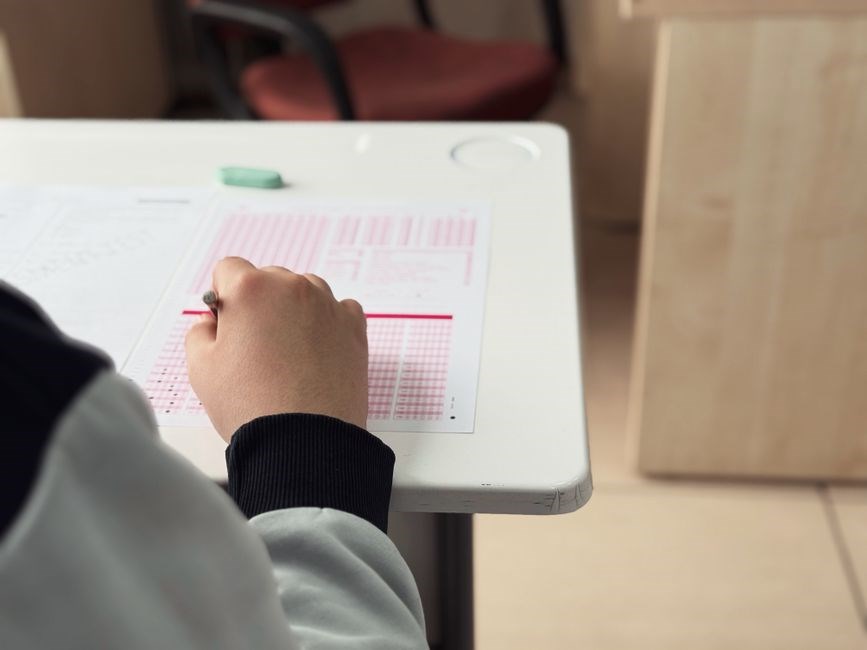
Year 7 maths test PDFs are designed to give students a realistic preview of the structure and expectations of their upcoming examinations․ They typically contain a mix of multiple‑choice, short‑answer, and extended‑response questions that mirror the official curriculum․ The purpose is twofold: first, to familiarize learners with the types of problems they will encounter, and second, to provide a benchmark for self‑assessment against the national standards․ Each PDF is formatted to match the layout of the actual exam paper, with clear headings, numbered sections, and space for written solutions․ Time limits are indicated next to each paper, and instructions emphasise the need to show all working, especially for algebraic and geometric problems․ The documents are usually divided into sections such as algebra, geometry, statistics, and number operations, each containing a balanced mix of difficulty levels․ Some PDFs also include a brief rubric or marking scheme, allowing students to judge the quality of their answers before submitting․ The format is intentionally straightforward: no calculators are allowed on most papers, except where explicitly permitted, to encourage mental calculation and problem‑solving skills․ Overall, the PDFs serve as both a study aid and a diagnostic tool, helping teachers and students identify strengths and areas for improvement before the formal assessment․
Common Sources
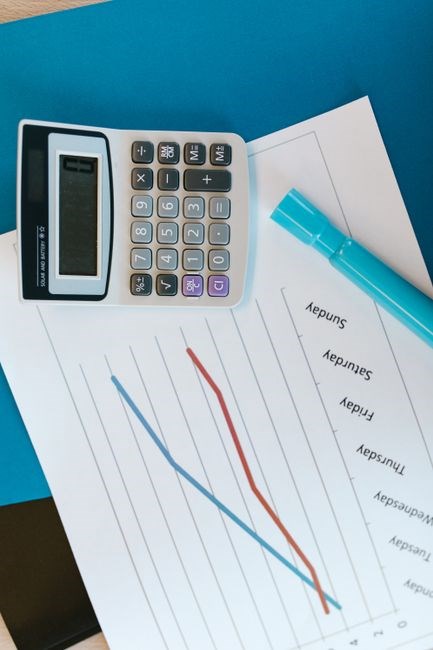
Common sources of Year 7 maths test PDFs include official school portals, district education websites, and national exam boards․ Many schools host downloadable specimen papers that mirror the real exam format, complete with instructions and time limits․ The Cambridge Assessment site offers a selection of past papers for Year 7, often accompanied by answer keys and marking rubrics․ Educational publishers such as Pearson and Oxford University Press provide practice books that are frequently scanned into PDF format for free distribution․ Online learning platforms like Khan Academy and BBC Bitesize host interactive quizzes, but they also host printable worksheets that align with the curriculum․ Additionally, teacher forums and parent‑student communities on social media frequently share vetted PDFs, ensuring that the material is up‑to‑date and compliant with local standards․ For those seeking a more structured approach, many local education authorities publish annual assessment guides, which include sample papers and suggested study schedules․ Finally, open‑source repositories such as GitHub host user‑generated collections of Year 7 maths practice tests, often annotated with detailed solutions․ By consulting a mix of these sources, students can access a broad range of practice material that covers algebra, geometry, statistics, and number operations․ Students can review online modules that provide instant feedback, allowing them to identify misconceptions and strengthen quick concepts before the assessment for all learners classroom?

Exam Content Overview
Year 7 maths test PDFs cover algebra, geometry, statistics, and number operations․ Papers include equations, angle problems, data sets, fractions, and calculations․ They test reasoning, accuracy, and time‑management skills․Students must practice time management and accuracy․
Algebra and Equations

Year 7 maths test PDFs provide a variety of algebraic challenges that mirror the curriculum․ Sample papers often feature linear equations, simple algebraic expressions, and basic manipulation of variables․ Students are asked to solve for unknowns, simplify expressions, and apply substitution techniques․ The PDFs include problems such as “Solve 2x + 5 = 13” or “Simplify 3(2y – 4) + 5․” These tasks assess understanding of the distributive property, combining like terms, and isolating variables․ Additionally, many specimen papers incorporate word‑problem contexts, requiring students to translate real‑world scenarios into algebraic equations․ For instance, a question might ask, “If a school buys 3 books for £7 each, how many books can it buy for £21?” This encourages the use of multiplication and division within an equation․ The difficulty level is tiered: early questions test basic operations, while later items introduce systems of equations or simple quadratic forms․ The PDFs also emphasize the importance of showing all working steps, as marks are awarded for clarity and accuracy․ By practicing with these documents, students improve their ability to manipulate algebraic expressions, solve equations efficiently and interpret mathematical language in varied contexts․ The structured format of the PDFs allows learners to track progress and identify areas needing reinforcement, making them a valuable resource for exam preparation and confidence building in algebraic reasoning․ Students who practice regularly will find themselves confident and ready for exam!!
Geometry and Angles
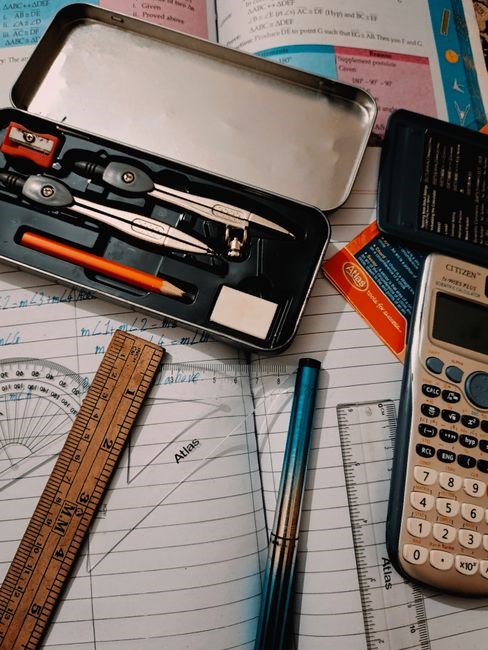
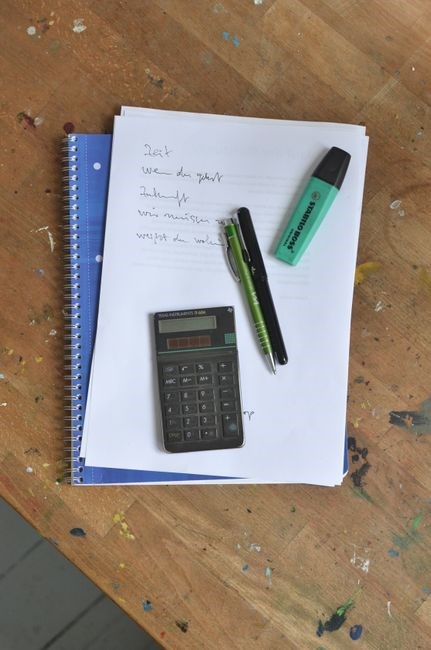
Year 7 maths test PDFs contain a range of geometry problems that focus on basic shapes, perimeter, area, and angle measurement․ Sample papers often ask students to identify the type of triangle from side lengths, calculate the sum of interior angles, and determine missing angles in composite figures․ Questions may involve right‑angled triangles, isosceles and equilateral triangles, and simple quadrilaterals․ The PDFs also include tasks that require drawing and labeling shapes, such as a rectangle with a given length and width, and then computing its perimeter and area․ Students are encouraged to use the unit circle concept to find angle measures in degrees and radians, and to apply the Pythagorean theorem where appropriate․ Many specimen papers provide diagrams that illustrate angles formed by intersecting lines, asking learners to label acute, obtuse, and right angles․ The difficulty level is tiered: early items test recognition of basic properties, while later items involve combining multiple concepts, such as finding the area of a composite shape or solving for an unknown side using the law of cosines in a simple triangle․ The PDFs emphasize clear diagramming, accurate labeling, and step‑by‑step reasoning, with marks awarded for correct calculation and proper notation․ Regular practice with these documents helps students build spatial awareness, strengthen their ability to translate textual descriptions into geometric representations, and prepare for the visual and analytical demands of the Year 7 exam, ensuring a solid foundation for future mathematical study․ Teachers can supplement these resources by incorporating project‑based learning activities, where students design and build simple machines or conduct experiments to observe geometric principles in action․ Collaborative group work encourages peer discussion and the sharing of diverse problem‑solving strategies, which can deepen conceptual understanding․ By consistently reviewing key terms, practicing calculations, and engaging with a variety of question formats, students will develop confidence and resilience needed to excel and success for all subjects․
Statistics and Sampling
Year 7 maths test PDFs provide a variety of questions that introduce students to basic statistical concepts and simple sampling techniques․ Sample papers often include data sets that require the calculation of mean, median, mode and range․ Learners are asked to interpret bar charts, line graphs and pie charts, and to describe trends in the data․ Many PDFs present a real‑world scenario, such as median house prices over decades, and ask students to calculate the change in value or to compare two periods․ Questions also cover probability, where students determine the likelihood of an event occurring from given data․ Simple sampling exercises ask pupils to select a random sample from a list, calculate the proportion of a specific category, and extrapolate findings to a larger population․ The test materials emphasize clear data representation, accurate calculation, and concise written explanations․ Teachers can use these PDFs to guide classroom activities that involve collecting data from classmates, creating charts, and analysing results․ By engaging with these resources, students develop critical thinking skills, learn to make data‑driven decisions, and gain confidence in handling statistical information, which is essential for success in the Year 7 examination and beyond․
Students can practice by creating their own data sets, such as recording the number of books read each month, then calculating the mean and drawing a bar chart․ They can also explore probability by rolling dice and recording outcomes, comparing the experimental probability to the theoretical probability․ These activities reinforce the concepts presented in the PDFs and help students understand how statistics can be applied to everyday situations!!
Number Operations and Fractions
Year 7 maths test PDFs focus heavily on number operations and fractions, offering a blend of theoretical questions and practical problems that mirror real‑world scenarios․ Students encounter tasks that require addition, subtraction, multiplication and division of whole numbers, decimals and fractions, often with mixed‑number or improper‑fraction results․ The PDFs emphasize the importance of common denominators, converting between improper fractions, converting fractions to lowest terms․ Many papers present multi‑step problems where students must apply the order of operations, use parentheses, brackets, and check their work for accuracy․
In addition to basic operations, the materials explore the properties of fractions, such as equivalent fractions, reciprocal relationships and the use of fraction bars․ Students practice multiplying fractions by whole numbers and other fractions, dividing fractions by whole numbers and by other fractions, and converting fractions to decimals and percentages․ The PDFs also include word problems that require students to set up equations or use proportion to solve for unknowns․ These strategies build a solid foundation for Year 7 maths success․
Overall, the Year 7 maths test PDFs provide a comprehensive suite of exercises that build confidence in number operations and fractions, preparing students for the exam’s emphasis on precision, clear reasoning, and effective communication of mathematical ideas․
Students use timed quizzes, peer‑review, and journals to spot progress gaps․ These strategies build a foundation forYear 7 maths success
Calculator Policy
Some Year 7 maths test PDFs prohibit calculators, requiring manual calculation and clear working․ Others allow basic calculators for time‑saving in arithmetic․ Students should check the exam instructions on each PDF to know whether a calculator is permitted․Check PDF rules! now!!
Calculator Allowed vs․ Prohibited
Exam papers for Year 7 mathematics are distributed as PDFs from various educational bodies, from Cambridge․ A recurring theme in these documents is the calculator policy, which can vary dramatically from one test to another․ Some papers explicitly state that calculators are prohibited, requiring students to perform all calculations by hand․ This approach emphasizes foundational skills such as mental arithmetic, fraction manipulation, and algebraic manipulation, and is often seen in assessment contexts that aim to gauge pure problem‑solving ability without technological aid․ Other PDFs allow the use of basic scientific calculators․ These are typically permitted for routine arithmetic, conversion between fractions and decimals, and simple algebraic operations, but they usually forbid the use of graphing or advanced scientific functions․ The policy is usually found in the introductory instructions of the PDF, and it is crucial for candidates to read it carefully before beginning the test․ In practice, students who prepare with both calculator‑free and calculator‑enabled practice papers develop a balanced skill set, enabling them to adapt to the specific requirements of each exam․ The presence or absence of a calculator can also affect the time allocation for each section, with calculator‑allowed papers often allocating slightly more time for complex calculations․ By alternating between calculator‑free and calculator‑enabled exercises, learners can identify which strategies work best for them under different constraints․ Students should also review the specific calculator guidelines provided by their school or exam board, as these rules may change annually and can affect the permissible device type, battery life, and allowed functions during the assessment․ Check soon Remember comply

Practice Resources
Year 7 maths PDFs provide sample papers, past exams, and interactive worksheets․ Download free practice sheets from Cambridge, school sites, and educational portals․ Use them to review algebra, geometry, statistics, and number operations․ Practice improves confidence․ 2026․!!!!!!!
Sample Papers and Past Exams
Year 7 maths test PDFs are a treasure trove for students and teachers alike․ They include a variety of specimen papers, such as the Cambridge Year 7 Entrance and Scholarship Examination Specimen Paper F, which is 100 marks long and explicitly forbids calculators․ The PDF format allows for easy printing and annotation, making it convenient for classroom use or individual study․ Past exam papers from the Cambridge curriculum, like the 91 (11) Grade 7 Cambridge Maths Exam Paper, provide authentic practice that mirrors the structure and difficulty of real assessments․ These documents often contain 10–15 pages of questions covering algebra, geometry, statistics, and number operations, and they are freely available on educational websites and school portals․ Additionally, many local education authorities publish Year 7 practice papers in PDF form, such as the Nebraska Department of Education’s 2010 Grade 7 Mathematics Practice Test․ These resources usually include detailed answer keys, enabling students to check their work and learn from mistakes․ For those seeking more interactive practice, some PDFs incorporate fill‑in‑the‑blank sections or embedded quizzes that can be completed digitally․ Teachers can also use these PDFs to design mock exams, adjust question difficulty, or create targeted revision sheets․ Because the PDFs are downloadable, they can be updated regularly to reflect any changes in the curriculum or exam format․ Overall, the abundance of Year 7 maths test PDFs ensures that learners have access to high‑quality, exam‑ready materials that support both independent study and structured classroom learning․ These PDFs include interactive quizzes that adapt to student progress, giving feedback now and mastery․

Preparation Tips
Preparing for a Year 7 maths test PDF requires a structured approach that balances practice, review, and strategy․ Start by familiarising yourself with the exam format: most PDFs contain 100 marks worth of questions across algebra, geometry, statistics, and number operations, and calculators are often disallowed․ Use free specimen papers to map the types of problems you’ll encounter․ Create a study schedule that allocates time for each topic; for example, dedicate two days to algebraic equations, two to geometry, and one to statistics․ While working through past exam PDFs, always show your working and check against the answer keys – this builds confidence and helps identify common pitfalls․ Incorporate timed practice sessions; set a timer for 40 minutes to simulate the real exam environment, especially if the PDF indicates a 40‑minute limit․ Build mental math skills by practising mental calculations for fractions, percentages, and simple algebraic manipulations, as these are often required when calculators are prohibited․ Use the PDF’s “sample paper” sections to test your speed and accuracy, and review mistakes in detail․ Additionally, use online resources such as interactive quizzes that mirror the PDF content; many educational sites provide downloadable worksheets that can be printed or completed digitally․ Finally, maintain a positive mindset: keep a log of progress, celebrate small wins, and discuss challenging questions with peers or teachers․ Regular, focused practice using the available Year 7 maths test PDFs will steadily improve your performance and reduce exam anxiety․
Remember to review the calculator policy highlighted in the PDF; if calculators are allowed, practice using them efficiently, but if not, strengthen your manual calculation techniques․ Also, pay attention to the instructions in the PDF: many tests require you to show all working, so practice writing clear, step‑by‑step solutions․ Finally, after completing each practice session, reflect on time management: note which sections took longer and adjust your study plan accordingly․ By consistently engaging with Year 7 maths test PDFs, you’ll build a solid foundation that will serve you well in the actual examination․ Master these PDFs․ Practice regularly and review mistakes․ focused․